

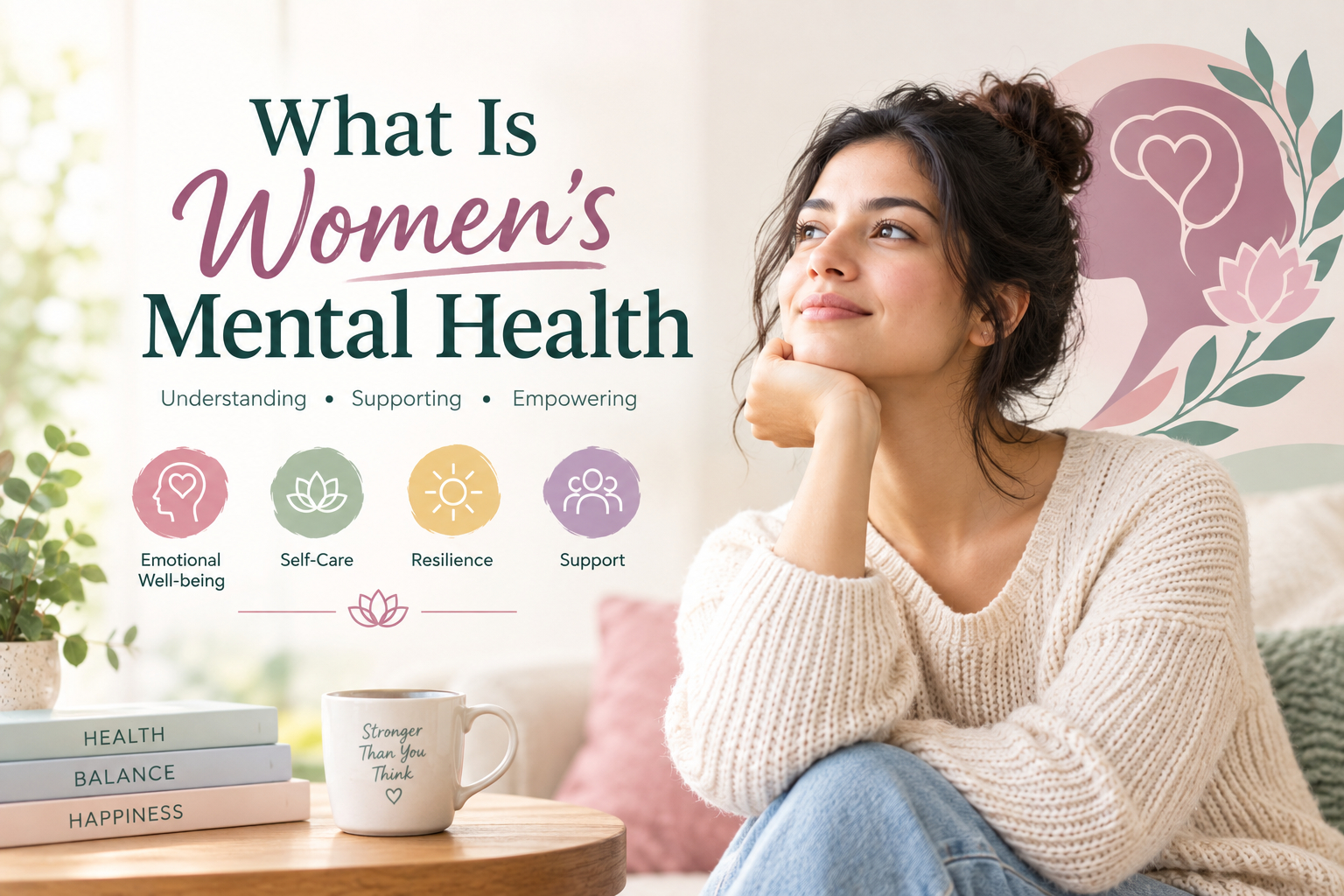
Women’s mental health is an important part of overall health and well-being. It includes emotional, psychological, and social well-being and can affect how women think, feel, manage stress, build relationships, work, and respond to challenges throughout life.
Women’s mental health can be influenced by many factors, including genetics, physical health, hormones, relationships, trauma, work, caregiving responsibilities, financial stress, and other life circumstances. Certain biological and reproductive changes may also affect mental health during different stages of life, including puberty, menstruation, pregnancy, the postpartum period, perimenopause, and menopause.
Understanding women’s mental health can help women recognize changes in their emotional well-being, understand when additional support may be needed, and find appropriate professional care.
What Is Women’s Mental Health?
Women’s mental health refers to the emotional, psychological, and social well-being of women throughout their lives.
Mental health is more than simply the absence of a mental illness. Good mental health can help a woman manage everyday stress, maintain relationships, make decisions, work or study, care for herself and others, and participate in activities that are meaningful to her.
Women’s mental health can change over time. A woman’s experiences during adolescence may be different from those during pregnancy, motherhood, menopause, or later adulthood.
Mental health can also be affected by a combination of biological, psychological, social, and environmental factors. For this reason, women’s mental health should be considered as part of a woman’s overall health rather than as an issue separate from physical or reproductive health.
Why Is Women’s Mental Health Important?
Mental health is an essential part of overall well-being. Mental health conditions can affect sleep, energy, concentration, relationships, work, physical health, and everyday activities.
Mental health concerns are also common among women in the United States. According to the National Institute of Mental Health (NIMH), 26.4% of U.S. adult females experienced any mental illness in the previous year in 2022. The same data showed that 7.1% experienced serious mental illness. These are population-level statistics and do not mean that every woman will experience a mental health condition.
Early recognition and appropriate support can help women address mental health concerns before symptoms significantly interfere with daily life.
How Is Women’s Mental Health Different?
Women can experience many of the same mental health conditions as men. However, certain biological, reproductive, social, and environmental factors can influence women’s mental health.
Hormonal changes associated with menstruation, pregnancy, childbirth, perimenopause, and menopause may affect mood and can sometimes influence symptoms of an existing mental health condition.
Women may also experience circumstances that affect mental well-being, including caregiving responsibilities, relationship challenges, financial stress, discrimination, social expectations, and exposure to trauma or violence.
These factors do not affect every woman in the same way. Mental health is individual, and symptoms can result from several factors occurring together.
What Factors Affect Women’s Mental Health?
There is rarely one single cause of a mental health concern. Women’s mental health can be influenced by biological, psychological, social, and environmental factors.
Hormonal and Reproductive Changes
Hormonal changes are a natural part of women’s lives. Changes associated with the menstrual cycle, pregnancy, childbirth, perimenopause, and menopause may influence mood and emotional well-being.
For some women, reproductive health changes may also affect symptoms of an existing mental health condition.
The Office on Women’s Health provides information about the relationship between reproductive health and mental health throughout different stages of life.
Stress and Life Experiences
Everyone experiences stress, but prolonged or severe stress can affect mental well-being.
Work pressure, financial difficulties, relationship problems, caregiving, grief, major life changes, and a lack of social support can all contribute to emotional distress.
Long-term stress may also affect sleep, energy, concentration, and mood.
Relationships and Social Support
Healthy relationships and supportive social connections can contribute to positive mental health.
In contrast, isolation, ongoing relationship conflict, abuse, or a lack of supportive relationships can contribute to emotional distress.
Having trusted people to talk to can be valuable, particularly during periods of major life change.
Work and Caregiving Responsibilities
Many women balance employment with childcare, household responsibilities, and caring for family members.
When these responsibilities are combined with financial pressure, limited support, insufficient rest, or workplace stress, maintaining emotional well-being can become more difficult.
Learning to recognize personal limits and asking for help when needed can be an important part of maintaining mental health.
Trauma and Violence
Traumatic experiences can have lasting effects on mental health.
Childhood adversity, domestic violence, sexual violence, accidents, disasters, and other traumatic experiences may contribute to conditions such as post-traumatic stress disorder (PTSD), depression, or anxiety.
A person’s response to trauma varies, and professional support can be helpful when symptoms persist or interfere with daily life.
Physical Health
Mental and physical health are closely connected.
Chronic pain, sleep problems, hormonal conditions, thyroid disorders, reproductive health concerns, and other medical conditions can affect mood and emotional well-being.
At the same time, mental health conditions can affect physical health behaviors and the ability to manage other health conditions.
For this reason, persistent mental or physical symptoms should be discussed with an appropriate healthcare professional.
Common Mental Health Conditions in Women
Women can experience many different mental health conditions. Some conditions may have specific considerations for women because of reproductive health, hormones, pregnancy, or other life circumstances.
Common mental health conditions include:
- Depression
- Anxiety disorders
- Post-traumatic stress disorder (PTSD)
- Eating disorders
- Bipolar disorder
- Obsessive-compulsive disorder (OCD)
- Premenstrual dysphoric disorder (PMDD)
- Postpartum depression
- Other perinatal mental health conditions
Depression
Depression is more than temporarily feeling sad or having a difficult day.
Symptoms can include persistent sadness, loss of interest in activities, low energy, changes in sleep or appetite, difficulty concentrating, feelings of worthlessness or guilt, and thoughts of death or suicide.
Depression is common and treatable. Women experiencing persistent symptoms should consider speaking with a qualified healthcare professional.
The CDC provides additional information about depression among women, including symptoms, risk factors, and treatment.
Anxiety Disorders
Anxiety disorders can involve excessive worry, fear, panic, or persistent feelings of uneasiness.
Symptoms may include difficulty concentrating, irritability, restlessness, muscle tension, sleep problems, or physical symptoms such as headaches or stomach discomfort.
Anxiety can occur on its own or alongside other mental health conditions, including depression.
Post-Traumatic Stress Disorder
Post-traumatic stress disorder can develop after experiencing or witnessing a traumatic event.
Symptoms may include unwanted memories, nightmares, avoidance of reminders of the event, changes in mood, difficulty sleeping, and feeling constantly alert or on edge.
Not everyone who experiences trauma develops PTSD, and symptoms can vary from person to person.
Eating Disorders
Eating disorders are serious mental health conditions involving disturbances in eating behavior and thoughts or feelings related to food, weight, or body image.
Examples include anorexia nervosa, bulimia nervosa, and binge-eating disorder.
Eating disorders can affect physical health as well as emotional well-being and may require specialized professional treatment.
Bipolar Disorder
Bipolar disorder involves significant changes in mood, energy, activity levels, and the ability to function.
Women with bipolar disorder may require additional consideration during pregnancy and the postpartum period because symptoms and treatment decisions can change during these stages.
Medication should not be started, stopped, or changed during pregnancy without discussing the decision with the appropriate healthcare professional.
Premenstrual Dysphoric Disorder (PMDD)
Premenstrual dysphoric disorder, or PMDD, is a severe form of premenstrual mood disturbance.
Symptoms can include significant mood changes, irritability, anxiety, depression, difficulty concentrating, and physical symptoms that occur in relation to the menstrual cycle.
PMDD symptoms can interfere with relationships, work, school, and everyday activities.
Postpartum Depression
Postpartum depression is a form of depression that can occur during pregnancy or after childbirth.
It is different from the temporary “baby blues,” which generally improve within a short period.
Symptoms of postpartum depression may include persistent sadness, hopelessness, anxiety, loss of interest, changes in sleep or appetite, difficulty bonding with the baby, and difficulty functioning.
The Office on Women’s Health reports that about 1 in 8 new mothers experience symptoms of postpartum depression during the year after childbirth.
Postpartum depression is treatable. Women experiencing concerning symptoms should talk with a healthcare professional.
Women’s Mental Health Across Different Life Stages
Women’s mental health needs can change throughout life. Different biological, social, and emotional experiences may become more important at different stages.
Adolescence and Puberty
Puberty brings significant physical and hormonal changes.
Adolescents may also experience school pressure, changing relationships, body-image concerns, bullying, social-media pressures, family changes, and other challenges.
Creating supportive environments and encouraging open conversations about mental health can help young women recognize and communicate when they need help.
Reproductive Years
During the reproductive years, some women may notice changes in mood associated with their menstrual cycle.
Relationships, work, fertility concerns, pregnancy planning, infertility, pregnancy loss, and other life circumstances can also influence emotional well-being.
Persistent or severe symptoms should not automatically be attributed to hormones. A healthcare professional can help identify possible causes.
Pregnancy
Pregnancy can involve significant physical, hormonal, emotional, and lifestyle changes.
Some women experience depression or anxiety during pregnancy, while women with existing mental health conditions may notice changes in their symptoms.
Women who take mental health medication and become pregnant or are planning pregnancy should discuss their treatment with their healthcare professional rather than stopping medication on their own.
The Postpartum Period
The period following childbirth can be physically and emotionally demanding.
Sleep disruption, hormonal changes, physical recovery, new responsibilities, breastfeeding challenges, relationship changes, and financial or caregiving pressures may all affect emotional well-being.
Some women develop postpartum depression or anxiety.
Persistent sadness, severe anxiety, hopelessness, difficulty functioning, or thoughts of harming yourself or your baby require prompt professional attention.
Perimenopause and Menopause
Perimenopause is the transition leading up to menopause and can involve changes in hormone levels, menstrual cycles, sleep, and mood.
Some women experience emotional changes during this period, while women with existing mental health conditions may notice changes in their symptoms.
Sleep problems and other physical symptoms associated with menopause can also affect emotional well-being.
Later Adulthood
Mental health remains important throughout later adulthood.
Changes in relationships, retirement, caregiving, physical health, chronic illness, social connection, and loss can influence emotional well-being.
Maintaining meaningful relationships, physical activity, healthy routines, and access to appropriate healthcare can support mental health as women age.
What Are the Signs of Poor Mental Health in Women?
Mental health symptoms can look different from one person to another.
Possible warning signs include:
- Persistent sadness or hopelessness
- Excessive worry or fear
- Frequent irritability or anger
- Significant mood changes
- Loss of interest in previously enjoyable activities
- Persistent fatigue or low energy
- Sleeping too much or too little
- Significant changes in appetite
- Difficulty concentrating
- Withdrawing from friends or family
- Difficulty managing everyday responsibilities
- Feelings of worthlessness or excessive guilt
- Increased use of alcohol or substances to cope
- Frequent physical symptoms without an obvious explanation
- Thoughts of death, suicide, or self-harm
Having one or more of these symptoms does not automatically mean someone has a mental health disorder. However, persistent, severe, or worsening symptoms deserve attention.
How Can Hormones Affect Women’s Mental Health?
Hormonal changes can be an important consideration in women’s mental health.
Hormone levels naturally change during the menstrual cycle and undergo significant changes during pregnancy, after childbirth, and throughout the transition to menopause.
For some women, these changes may be associated with changes in mood or worsening symptoms of an existing mental health condition.
However, it is important not to assume that every mental health symptom is caused by hormones.
Mental health is influenced by multiple factors, including genetics, physical health, stress, relationships, trauma, sleep, environment, and life circumstances.
If mood changes are persistent or disruptive, a healthcare professional can help determine whether hormonal, psychological, physical, or other factors may be contributing.
How Can Women Support Their Mental Health?
Supporting mental health does not require making every change at once.
Several habits can contribute to overall emotional well-being:
Prioritize Sleep
Aim for a consistent sleep schedule and make sleep a regular part of your health routine.
Stay Physically Active
Regular physical activity can support physical and mental well-being. Choose activities that are realistic and enjoyable enough to maintain consistently.
Maintain Social Connections
Spending time with supportive friends, family members, community groups, or other trusted people can help reduce isolation.
Make Time for Yourself
Work, parenting, and caregiving can make personal time difficult to prioritize. Even small periods of rest or enjoyable activities can be valuable.
Manage Stress
Relaxation techniques, mindfulness, breathing exercises, journaling, time outdoors, and other healthy coping strategies may help manage everyday stress.
Set Realistic Expectations
Trying to manage every responsibility perfectly can contribute to unnecessary stress. Setting realistic goals and asking for help when needed can support emotional well-being.
Seek Professional Support
Self-care can be helpful, but it is not a replacement for professional treatment when symptoms are severe, persistent, or interfering with daily life.
When Should a Woman Seek Professional Mental Health Help?
Consider speaking with a healthcare professional when mental health symptoms:
- Continue for several weeks
- Become more severe over time
- Interfere with work, school, relationships, or daily activities
- Significantly affect sleep or eating
- Cause frequent panic or severe anxiety
- Make it difficult to care for yourself or others
- Lead to using alcohol or substances to cope
- Cause significant emotional distress
A primary care provider, therapist, psychologist, psychiatrist, psychiatric nurse practitioner, or other qualified professional can help evaluate symptoms and discuss appropriate treatment options.
If you are looking for women’s mental health services, Lotus Holistic Healthcares offers personalized mental health care with a focus on women’s mental health and related concerns.
How Are Women’s Mental Health Conditions Treated?
Treatment depends on the condition, symptoms, medical history, personal circumstances, and individual needs.
Psychotherapy
Psychotherapy, sometimes called talk therapy, can help people understand and manage thoughts, emotions, behaviors, relationships, and difficult life experiences.
Different types of therapy may be appropriate for different concerns.
Medication
Medication may be recommended for some mental health conditions.
Medication decisions should be individualized, particularly during pregnancy, breastfeeding, or when a person takes other medications.
Never stop or change a prescribed medication without first speaking with the healthcare professional who prescribed it.
Lifestyle and Behavioral Support
Healthy sleep, physical activity, nutrition, stress management, and social connection can complement professional treatment.
These strategies can support overall well-being but should not replace appropriate clinical care when treatment is needed.
Combined Treatment
Some people benefit from a combination of psychotherapy, medication, lifestyle changes, and social support.
Treatment should be based on the individual’s needs rather than a one-size-fits-all approach.
Women’s Mental Health and Holistic Care
Women’s mental health can be affected by many connected areas of life.
A holistic approach considers mental health alongside physical health, relationships, lifestyle, reproductive health, stress, and other factors that may influence overall well-being.
This does not mean treating every mental health concern with lifestyle changes alone. Instead, holistic care can complement appropriate clinical treatment by considering the person as a whole.
At Lotus Holistic Healthcares, care is designed around individual needs and may include services such as psychotherapy, medication management, and other mental health support.
Get Support for Your Mental Health
Understanding your mental health is an important first step. If you’re experiencing anxiety, depression, mood changes, stress, or other mental health concerns, professional support may help you better understand what you’re experiencing and explore appropriate care options.
Lotus Holistic Healthcares provides personalized mental health care with a focus on women’s mental health and related concerns.
Schedule a consultation or contact Lotus Holistic Healthcares to learn more about available services.
Women’s Mental Health: The Bottom Line
Women’s mental health refers to the emotional, psychological, and social well-being of women throughout their lives.
It can be influenced by many factors, including genetics, hormones, reproductive health, physical health, relationships, trauma, stress, caregiving responsibilities, work, and social circumstances.
Women can experience depression, anxiety disorders, PTSD, eating disorders, bipolar disorder, PMDD, postpartum depression, and other mental health conditions.
Certain life stages—including puberty, pregnancy, the postpartum period, perimenopause, and menopause—may involve changes that deserve additional attention to mental well-being.
Most importantly, experiencing mental health challenges is not a personal failure. Mental health conditions are health conditions, and support and treatment are available.
If symptoms are persistent, severe, or interfering with daily life, speaking with a qualified healthcare professional can be an important next step.
Frequently Asked Questions About Women’s Mental Health
What is women’s mental health?
Women’s mental health refers to the emotional, psychological, and social well-being of women throughout their lives. It includes how women manage stress, emotions, relationships, daily responsibilities, and mental health conditions.
Why is women’s mental health important?
Women’s mental health is an essential part of overall health. Mental health can affect relationships, sleep, physical health, work, daily activities, and quality of life.
What are common mental health conditions in women?
Women can experience many mental health conditions, including depression, anxiety disorders, PTSD, eating disorders, bipolar disorder, OCD, PMDD, and postpartum depression.
Can hormones affect women’s mental health?
Yes. Hormonal changes associated with menstruation, pregnancy, childbirth, perimenopause, and menopause may influence mood and symptoms of some mental health conditions. However, hormones are only one of many factors that can affect mental health.
How does pregnancy affect women’s mental health?
Pregnancy can involve significant physical, hormonal, emotional, and lifestyle changes. Some women experience depression or anxiety during pregnancy, while existing mental health conditions may also change.
What is postpartum depression?
Postpartum depression is a form of depression that can occur during pregnancy or after childbirth. It can cause persistent sadness, anxiety, hopelessness, loss of interest, and difficulty functioning. It is treatable and should be discussed with a healthcare professional.
Can menopause affect mental health?
The hormonal and physical changes associated with perimenopause and menopause can affect mood and sleep for some women. Women with existing mental health conditions may also notice changes in their symptoms.
How do I know if I need mental health support?
Consider seeking professional support if symptoms persist, worsen, cause significant distress, or interfere with your relationships, work, sleep, or everyday activities.
How are women’s mental health conditions treated?
Treatment can include psychotherapy, medication, lifestyle and behavioral support, or a combination of approaches. Treatment should be individualized based on a person’s symptoms and circumstances.